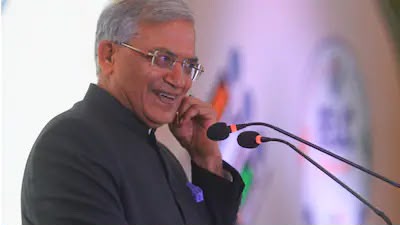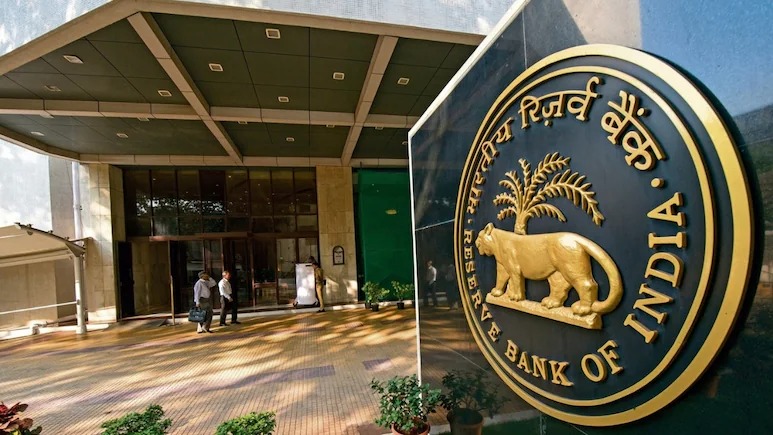
New Delhi: Reserve Bank of India Deputy Governor T Rabi Sankar has said that digital fraud cases have been climbing steadily since July, reversing the downward trend seen earlier in the year. Speaking at an event hosted by State Bank of India in Mumbai, he noted that the regulator is examining whether the rise is linked to cyclical patterns or seasonal factors.
Sankar explained that when fraud cases are measured against the total number of transactions, the incidence had been falling significantly from the start of the year until July. The upward movement since then has prompted closer scrutiny. Although he did not disclose the scale of the increase, he said the Reserve Bank is deploying new tools, including the “mule hunter” system, which helps identify and track conduit accounts used to channel fraudulent funds.
Data from the RBI’s annual report for FY25 shows a decline in the overall number of reported frauds, falling to 23,953 cases from more than 36,000 in the previous financial year. Most incidents occurred in the digital payments space, particularly card and online transactions. Private sector banks accounted for nearly 60 percent of the fraud cases by number, while public sector banks held more than 71 percent of the fraud value at the end of FY25.
Addressing a room filled largely with bankers, Sankar said that many lenders did not anticipate how quickly UPI would scale, due in part to structural limitations within traditional banking systems. He described banks as structurally vulnerable because of monolithic IT architecture, high fixed costs tied to branch networks, and rising compliance burdens. He cautioned that incremental improvements will not be enough to compete with technologically agile fintech firms.
Sankar urged banks to modernise their core systems to become more flexible and data oriented, emphasising that competitiveness will increasingly depend on technological adaptability rather than balance sheet size alone. He also warned that private digital currencies pose risks that are still not fully understood globally, and that central bank digital currencies will reshape banking models in ways institutions must prepare for.
He concluded by noting that the global environment is shifting, with post Cold War assumptions about open markets giving way to renewed protectionism and concerns about supply chain security.