Team Goemkarponn
BALLI: With the 2027 Goa Assembly elections approaching, representatives of the Scheduled Tribe (ST) community have called for urgent action on political reservation, warning that a statewide democratic agitation could follow if the process is not completed before the polls.
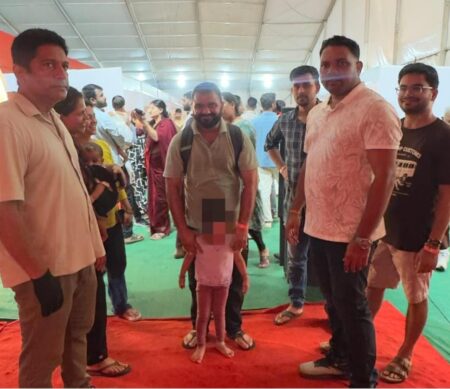
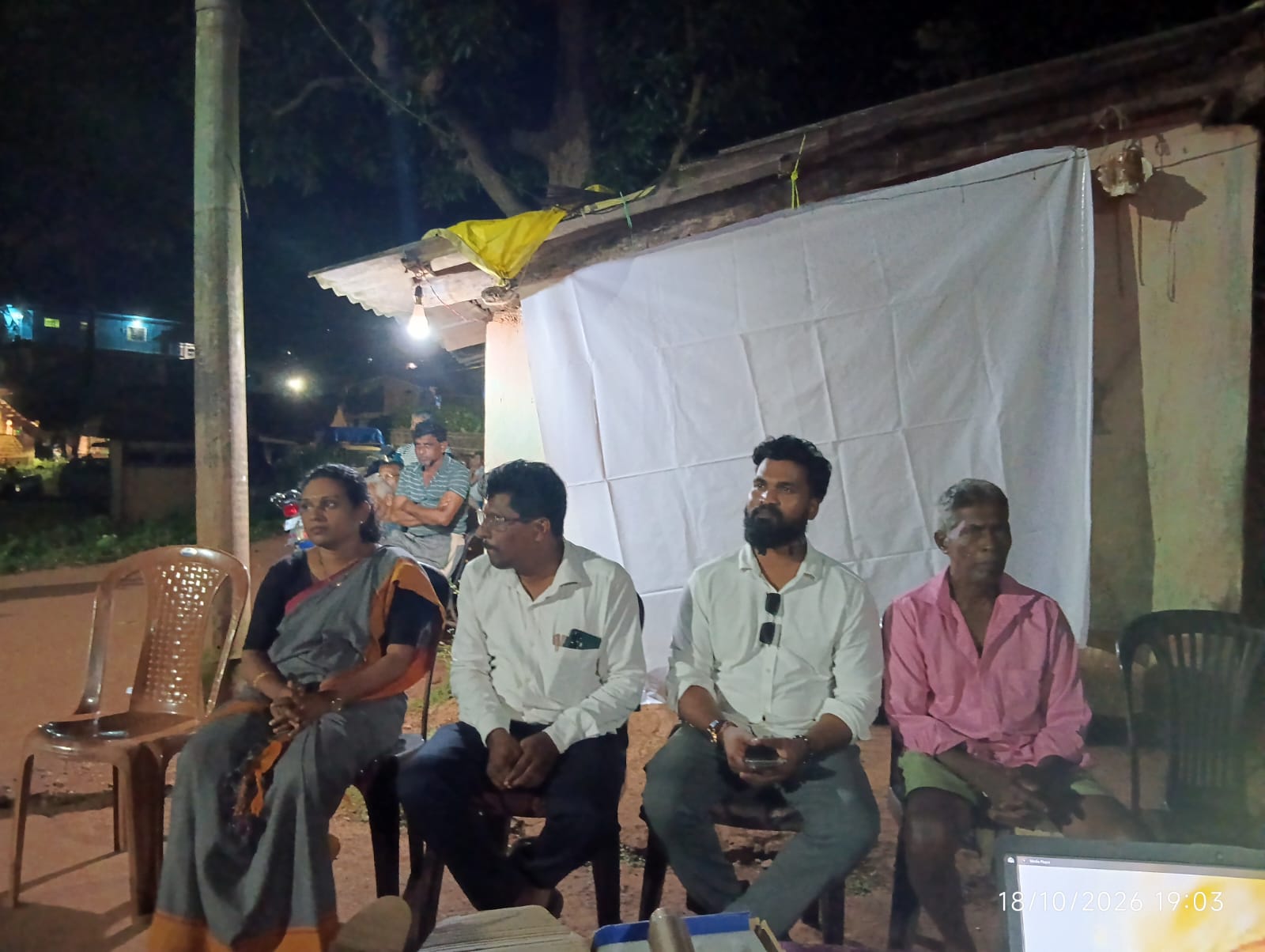
The issue figured prominently at a gathering held at Khaddem–Balli, where around 150 participants from the Balli–Adnem panchayat area and other parts of Goa discussed long-standing demands concerning political representation, employment and tribal welfare.
Rama Kankonkar, president of Ami Goeche Rakhhandar, said the organisation had been conducting awareness programmes across the state to mobilise support for reservation in four Assembly constituencies. He said more than 130 meetings had been held so far and stressed that the demand required a time-bound resolution.
The gathering also highlighted concerns over the implementation of government schemes and the delivery of basic services in tribal areas.
Rupesh Velip, convenor of the organisation, sought greater clarity on expenditure of funds earmarked for tribal welfare. Referring to a reported expenditure of Rs 33.37 crore between 2024 and 2026, he called for transparency in the utilisation of public money and an assessment of whether the spending had addressed the community’s needs.
Participants identified drinking water, roads, drainage, irrigation and healthcare as areas requiring sustained attention. They also raised the issue of more than 2,500 backlog vacancies for ST candidates in government departments and the pendency of over 9,500 claims relating to Individual Forest Rights.
The demand for notification of eligible tribal areas under the Fifth Schedule of the Constitution and proper implementation of the Tribal Sub-Plan also featured in the discussions.
Dheeraj Talpekar of Cola, Quepem, pointed to difficulties faced by beneficiaries while applying for government assistance. He said digital procedures and documentation requirements could create obstacles for tribal families, particularly students seeking educational benefits, and advocated assistance camps at the village level.
Harsha Wadkar, coordinator of the organisation’s women’s wing, raised concerns about the impact of development activities on tribal settlements, farmland, water sources and the surrounding environment. She called for greater community awareness and participation in protecting local rights.
The participants also sought improvements in rural infrastructure, livelihood opportunities and agricultural support. They urged the government and elected representatives to engage directly with residents of remote villages while planning development initiatives.