The Supreme Court also directed state governments, municipal authorities, and road and transport authorities to remove cattle from highways and expressways and rehabilitate them in shelters.
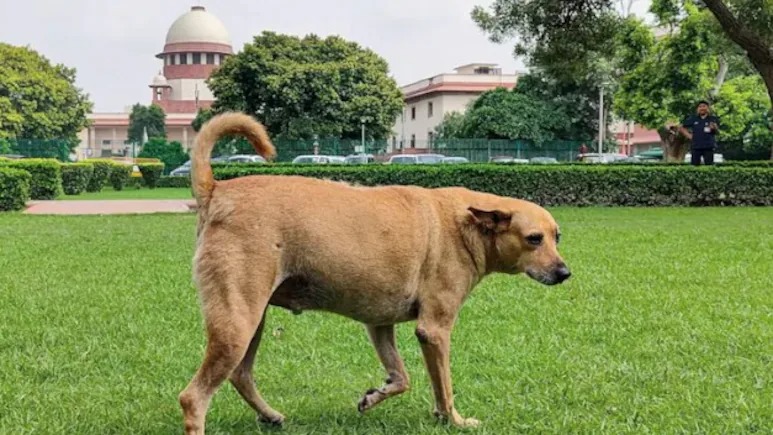
New Delhi: The Supreme Court issued a significant set of directions on Friday aimed at improving public safety and reducing animal related incidents across the country. The court ordered that stray dogs must be removed from key public locations including schools, colleges, hospitals, bus stands, sports complexes, and railway stations. All captured dogs are to be relocated to designated shelters, and authorities have been given eight weeks to complete the process.
The order came while the bench continued to review the growing number of stray dog bite cases. The judges made it clear that once the animals are moved to shelters, they must not be released back into the areas from which they were collected. The court also placed on record an expert report that outlines steps for managing the issue and incorporated it into its directions.
In addition to addressing stray dogs, the Supreme Court reinforced earlier instructions requiring state governments, municipal bodies, and road and transport authorities to remove cattle from national highways and expressways. The animals are to be shifted to proper shelters to prevent accidents and traffic disruptions. This confirmation solidifies the responsibility of state administrations to take decisive action against the frequent problem of cattle roaming busy roads.
The court further ordered that all national highways must display helpline numbers specifically for reporting stray cattle sightings. These helplines are meant to ensure quick responses and better coordination among agencies responsible for road safety and animal management. Chief secretaries of all states have been directed to oversee full and timely compliance with these measures.
The set of instructions marks one of the strongest national level interventions on stray animal management. By imposing clear deadlines, defining accountability, and expanding safety mechanisms, the court aims to reduce hazards faced by pedestrians, commuters, and motorists. The directives also signal a push toward more organized animal welfare systems, with shelters expected to play a central role in controlling stray populations while ensuring humane treatment.