Team Goemkarponn
PANAJI: Goa’s springs are largely in a safe position, with 94.8 per cent of assessed springs showing no identified resource threat, according to the first-ever Spring Census carried out under the Union Jal Shakti Ministry.
The assessment covered 1,171 springs for threat analysis, excluding dried and hot springs. Of these, 1,110 were found to have no identified threat, while 61 were categorised as threatened.
Of the threatened springs, 25 were placed in the low-threat category, 22 faced moderate threats and 14 were classified as highly threatened.
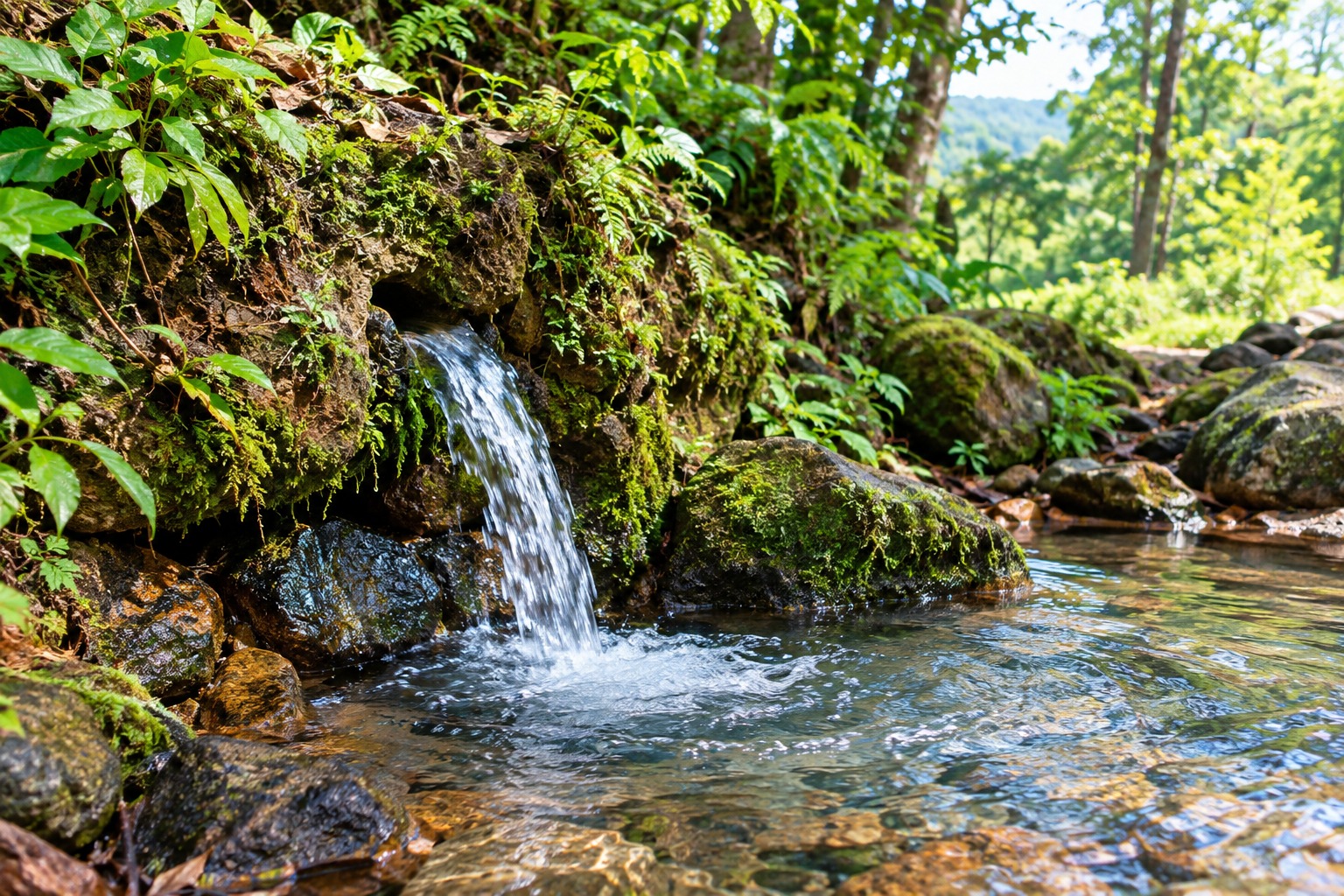
The census documented 1,196 springs across Goa, with the overwhelming majority located in rural areas. South Goa accounted for 861 springs, while North Goa had 335. The springs are predominantly found in the state’s hilly and forested belts, including areas associated with the Western Ghats.
According to the census, Goa’s high rainfall, laterite terrain, fractured and weathered aquifers and rugged landscape contribute to the presence of numerous springs across the state.
The assessment is expected to serve as a baseline for conservation efforts, particularly in rural communities where springs continue to play an important role in meeting drinking water needs.
The census found that 1,054 springs, or 88.1 per cent, are seep-type, while 142 are free-flowing. A total of 1,105 springs were recorded as perennial, 66 as seasonal and 25 as dried.
Ownership data showed that 56.5 per cent of the springs are publicly owned, while the remaining 43.5 per cent are under private ownership.
Flow measurements were carried out at 149 springs. The majority — 119 springs, or 79.9 per cent — recorded a discharge of up to 5 litres per minute. Twenty-nine springs recorded flows between 5 and 20 litres per minute, while only one recorded a flow between 20 and 50 litres per minute. None were found in the 50–100 litres per minute or above 100 litres per minute categories.
The census also underlined the wider importance of these natural water sources, noting that springs are used by rural communities as well as non-residents and wildlife. The findings could help authorities identify vulnerable springs and plan measures for their long-term protection and sustainable use.