Team Goemkarponn
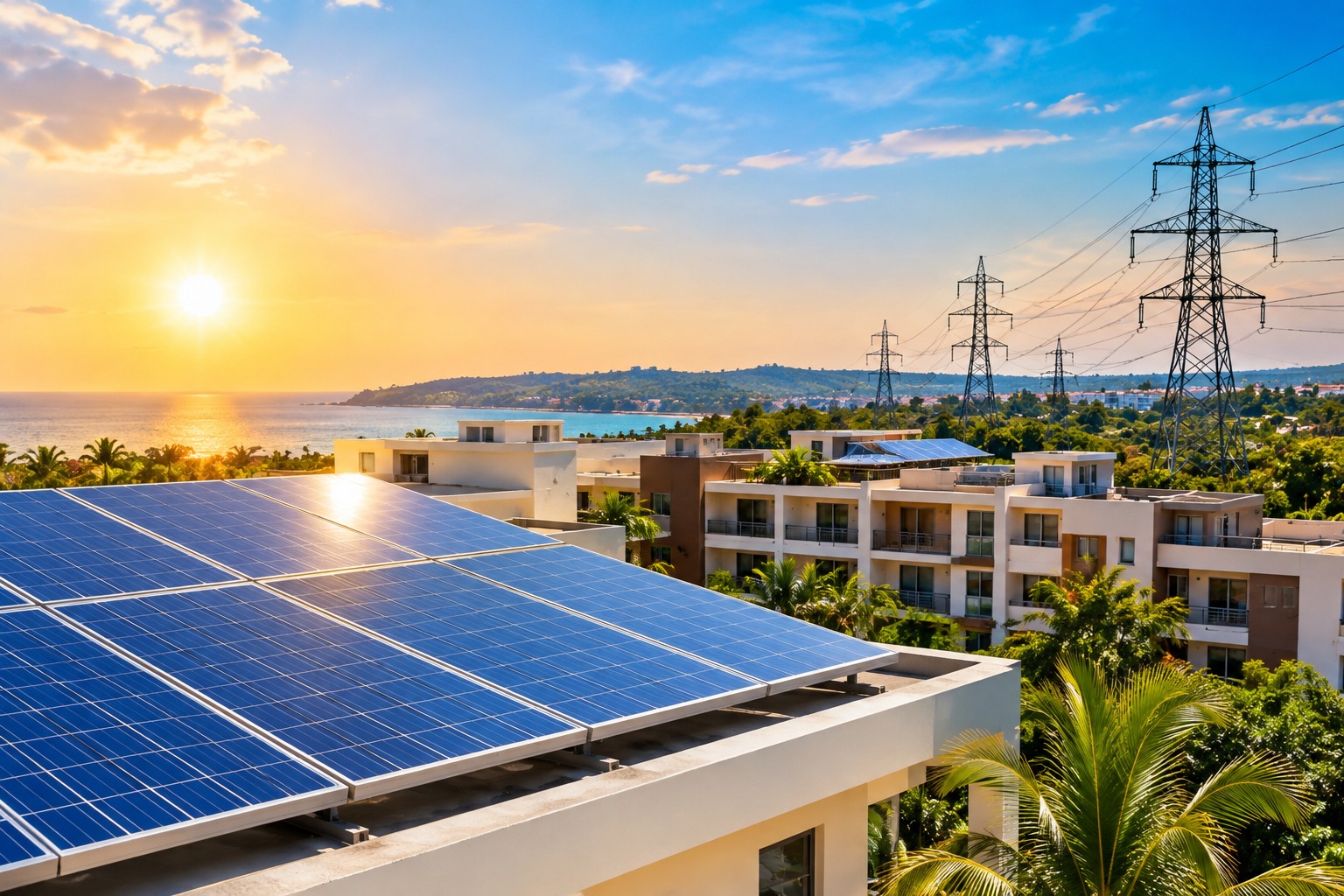
PANAJI: Goa is facing an 80 MW gap between electricity demand and supply, prompting the Goa Energy Development Agency (GEDA) to step up efforts to encourage residential societies to adopt rooftop solar power.
GEDA officials have urged housing societies to take advantage of the available central and state subsidies for rooftop solar installations. Under the group housing scheme, societies are eligible for a combined subsidy of ₹40,500 per kWp.
Despite Goa having more than 3,000 housing co-operative societies, participation in the scheme has remained low. Officials said greater adoption of rooftop solar could help societies reduce electricity expenses while also easing pressure on the state’s power supply system.
Goa is also lagging behind its rooftop solar target under the PM Surya Ghar Muft Bijlee Yojana. Against the target of 21,200 installations for 2026-27, only 3,936 installations have been completed so far.
The installations have generated a total solar capacity of 32.4 MW, with 5,189 households having opted for rooftop solar. GEDA officials said Goa remains among the states with the lowest per-capita adoption of solar panels.
The existing subsidy programme is scheduled to remain in place until March 2028. Officials have highlighted the financial assistance available to consumers as an incentive to shift towards rooftop solar.
A 3 kW rooftop solar system can receive a subsidy of ₹1.45 lakh, against an estimated project cost of ₹1.8 lakh to ₹2 lakh. Industrial consumers are eligible for a subsidy covering 20 per cent of the project cost, while institutional consumers can receive assistance of up to 50 per cent.
The push for solar energy comes amid continuing power supply difficulties in the state. Industries have been facing load shedding since September 4 as the Electricity Department struggles to procure sufficient power from the national grid.
GEDA has therefore urged eligible consumers, particularly housing societies, to explore rooftop solar as a way to generate local power, reduce energy costs and contribute towards easing Goa’s electricity shortage.