Team Goemkarponn
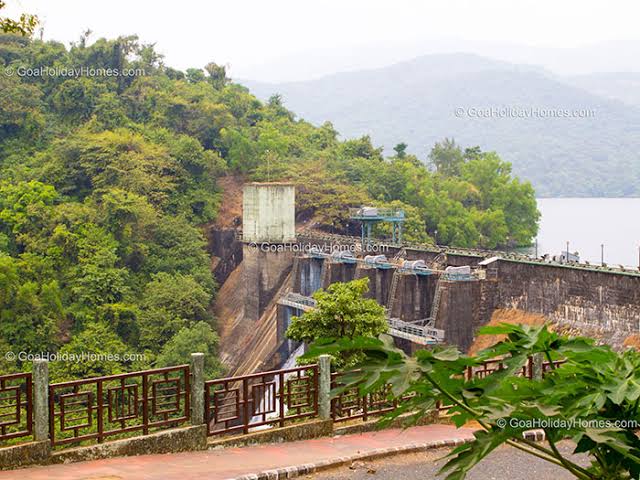
ANJUNEM: The water level in the Anjunem reservoir has declined to just 11 per cent of its total storage capacity, triggering concerns over the sustainability of drinking water supplies in parts of North Goa as monsoon rainfall continues to remain below normal.
Anjunem reservoir serves as a key source of potable water for residents of Sattari and Bicholim talukas. The sharp fall in storage has prompted authorities to closely monitor the situation, particularly as the State experiences an extended period of weak monsoon activity.
The decline comes at a time when weather conditions across Goa have remained unusually warm, with bright sunshine and only scattered rainfall reported in recent days. Meteorological observations indicate that monsoon activity over the State has weakened, resulting in rainfall levels falling short of seasonal expectations.
Water resource specialists caution that reservoir levels nearing the minimum operational range can place additional strain on supply systems. Lower water volumes often lead to higher concentrations of sediments and organic matter, increasing the complexity of water treatment and quality management.
Public concern over water quality has also grown following a recent report from Zarme village in Sattari, where a resident allegedly found a worm-like organism in tap water. Although officials have not linked the incident to the current reservoir conditions, the episode has renewed attention on the quality of water being supplied to households.
Government officials, however, maintain that there is no immediate threat to drinking water supply. Sources said the situation is under continuous review and that rainfall received over the next week will be critical in determining whether additional water management measures may be required.
The development has once again highlighted Goa’s dependence on monsoon-fed reservoirs and the challenges posed by delayed or deficient rainfall. Authorities are expected to continue monitoring storage levels, rainfall patterns and water quality parameters to ensure uninterrupted supply to consumers across the affected regions.