Team Goemkarponn
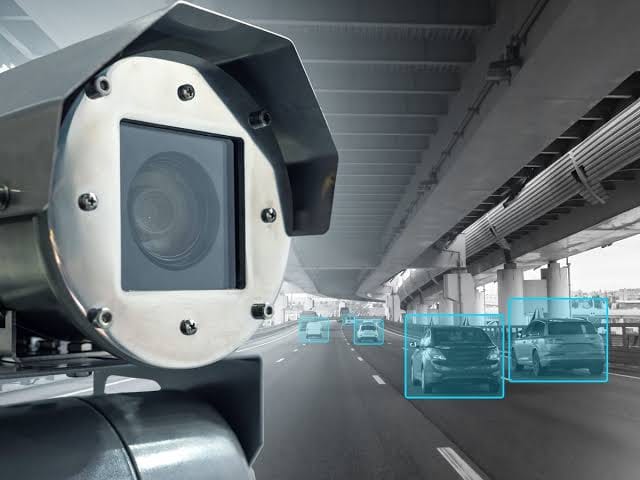
ZUARINAGAR: Goa is set to significantly expand its artificial intelligence-based traffic surveillance network, with Transport Minister Mauvin Godinho announcing plans to install 96 additional AI cameras across the state.
Speaking at the inauguration of the 15th State Road Safety Week at MES College, Zuarinagar, Godinho said AI-based surveillance had already been introduced at 26 primary locations, while 14 more sites were expected to become operational within a week.
He said a fresh agreement with the Public Works Department (PWD) would facilitate the installation of 96 additional AI cameras across Goa.
Describing the technology as a “blessing in disguise”, Godinho said automated e-challans being delivered to motorists’ homes had helped reduce speeding.
“AI cameras have been instrumental because people are driving slower due to e-challans arriving directly at their homes,” Godinho said. However, he stressed that motorists should follow traffic rules primarily to protect lives rather than out of fear of financial penalties.
According to the minister, the AI system will monitor violations such as speeding, riding without helmets and failure to wear seatbelts. He added that the wider surveillance network could also assist law enforcement agencies in crime detection and real-time monitoring.
Godinho said he had favoured immediate implementation of the AI camera system despite suggestions to delay the rollout until after elections, stating that road safety and saving lives should take precedence.
The minister also acknowledged concerns over strict enforcement in densely populated areas, particularly around schools and churches during peak hours.
He said transport authorities had been instructed to take a practical approach during such periods, citing instances where families resort to triple-seat riding because of limited public transport options during school drop-offs and religious services.
“We have asked our officials to be flexible and allow traffic lights to blink red and green during those specific hours to give residents temporary leverage,” Godinho said.
He added that the government did not want to penalise people facing genuine transport constraints, while stressing the need for long-term public transport solutions.
Godinho said the objective was ultimately to ensure that traffic regulations were applied uniformly across Goa while addressing local transport requirements through improved public mobility.